

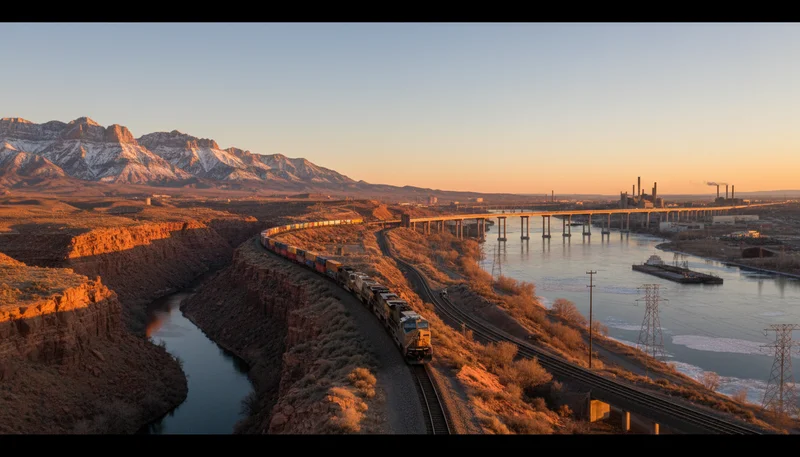
Surface Transportation Board Accepts Union Pacific–Norfolk Southern $200bn Merger Application
The Surface Transportation Board accepted the Union Pacific–Norfolk Southern merger application on May 28, 2026, moving forward a proposed combination valued at $200bn. The filing seeks regulatory approval to merge Union Pacific's West Coast network with Norfolk Southern's East Coast operations into a single transcontinental railroad.
The merger would create the United States' first coast-to-coast Class I railroad under unified management. Union Pacific CEO Jim Vena and Norfolk Southern CEO Mark George presented the proposal at Railway Age's Next-Generation Freight Rail Conference on March 10, 2026, outlining how the combined entity would operate as a single-line network spanning from the Pacific to the Atlantic. The CEOs described the operational model at the annual industry event, emphasizing the elimination of interchange requirements for transcontinental freight movements.
The STB acceptance on May 28 follows an earlier filing that the federal regulator rejected on January 16, 2026. Both railroads resubmitted documentation addressing the regulator's initial concerns about the application. Vena and George have held frequent meetings at each other's headquarters to coordinate the regulatory strategy and operational planning for the combined railroad, according to statements made at the Railway Age conference.
The proposed merger has drawn opposition from shipper groups and labour representatives citing concerns about reduced competition and potential service impacts. Critics argue the consolidation could increase freight rates for agricultural shippers, raise consumer prices through higher transport costs, displace railroad jobs through network rationalization, and reduce safety accountability. Opposition statements note specific concerns about higher shipping costs, consumer price increases, railroad job losses, and safety risks. The STB's acceptance of the application triggers a formal review process that will examine these competitive, operational and safety claims before issuing a final determination on the merger.
Union Pacific operates approximately 32,200 route miles across 23 western states. Norfolk Southern's network covers 19,300 route miles in 22 eastern states. The combined system would span the entire continental United States with no gaps requiring interchange between carriers on transcontinental shipments. The merged railroad would operate as a single entity connecting the Pacific and Atlantic coasts under unified management, eliminating the need for handoffs between separate carriers that currently handle long-haul freight across the country. Both CEOs have made the case for the merger through presentations at industry events and through the formal STB filing process.