

California High-Speed Rail Authority Plans Station Shift to Save $14bn, 9 Miles
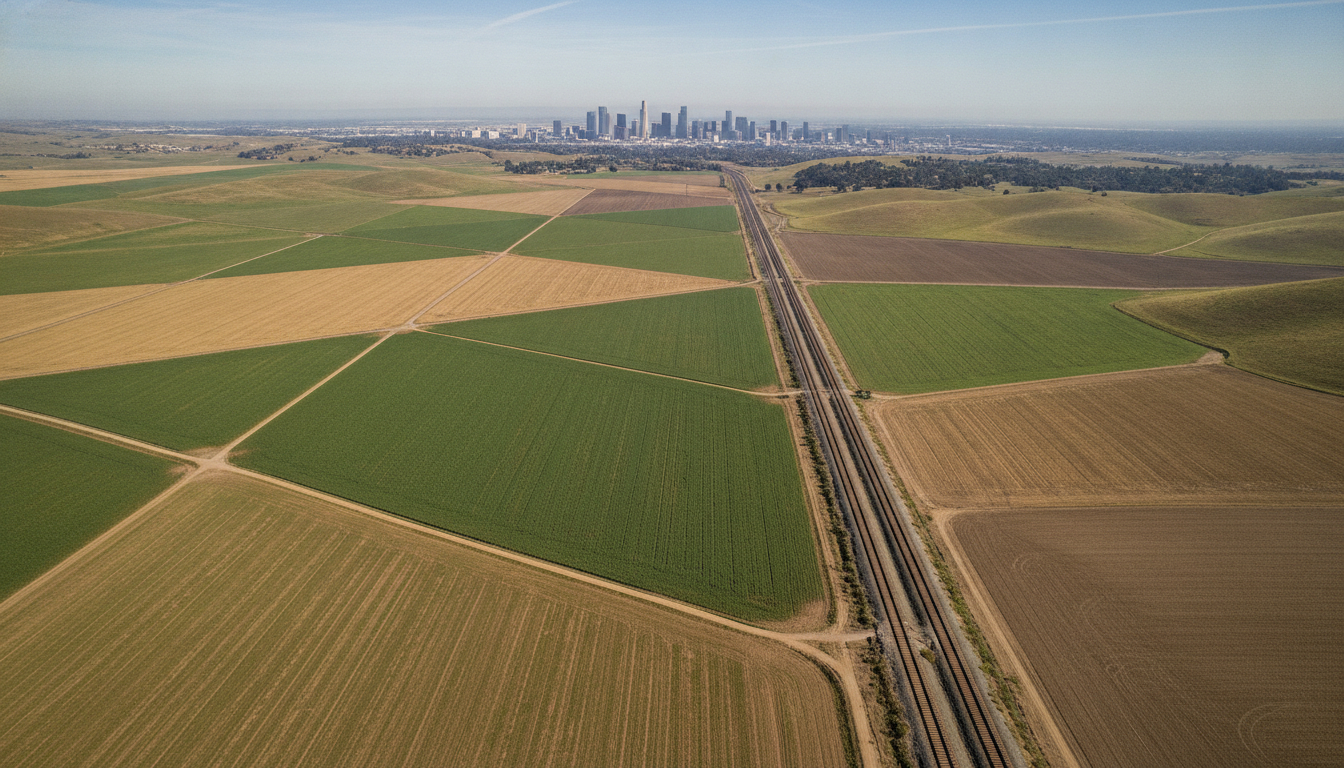
California High-Speed Rail Authority is considering relocating stations away from downtown Merced and Bakersfield to peripheral sites. The route realignment would reduce the line by approximately 9 miles and save an estimated $14bn in project costs.
The proposed station shifts address mounting cost pressures on the nation's only active high-speed rail construction project. Moving stations from dense urban cores to outskirts eliminates property acquisition and utility relocation expenses in established commercial districts. The $14bn saving represents roughly 12% of the project's current estimated budget, though the authority has not disclosed which specific cost categories would be reduced. The 9-mile reduction affects the planned alignment through California's Central Valley, where initial construction segments are already underway.
Under the revised plan, Bakersfield would receive a station on the city's periphery rather than in its downtown core. Merced faces a similar relocation. Local officials in Bakersfield have raised concerns about reduced connectivity to existing transit networks and diminished economic development potential for the city center. The authority has not announced a final decision or timeline for confirming the route changes.
The California high-speed rail project has faced repeated cost escalations and timeline delays since voter approval in 2008. The initial 119-mile construction segment between Merced and Bakersfield remains the focus of active work, with completion dates still under review. Peripheral station locations are common in European and Asian high-speed rail networks where land costs or construction complexity make urban penetration financially prohibitive, though they typically require robust feeder transit to maintain ridership.